
Most Brazilian companies have already implemented some type of whistleblowing channel, but few of these channels constitute truly effective grievance mechanisms according to international criteria, especially the United Nations Guiding Principles on Business and Human Rights.
Amid extensive risk mappings and detailed corporate policies, the grievance mechanism is often reduced to a generic email inbox or a third-party hotline that rarely generates actionable data.
However, a robust grievance mechanism represents much more than compliance: it is a strategic tool that provides real-time intelligence on emerging risks, builds trust with stakeholders or rights-holders in vulnerable situations, and can prevent significant crises.
To be effective, a grievance mechanism must meet the eight effectiveness criteria of the United Nations Guiding Principles: legitimacy, accessibility, predictability, equity, transparency, rights compatibility, a source of continuous learning, and based on engagement and dialogue.
In practice, this means developing channels that are:
· Truly accessible to all impacted groups, including outsourced workers, remote communities, and vulnerable groups;
· Adapted to local cultural, educational, and technological realities;
· Managed by teams with independence and investigative capacity;
· Transparent regarding handling processes and timelines;
· Capable of offering effective remediation, not just formal responses.
I have observed within LRQA that companies which develop genuinely participatory mechanisms—co-designed with their intended users—achieve significantly higher usage rates and better quality information.
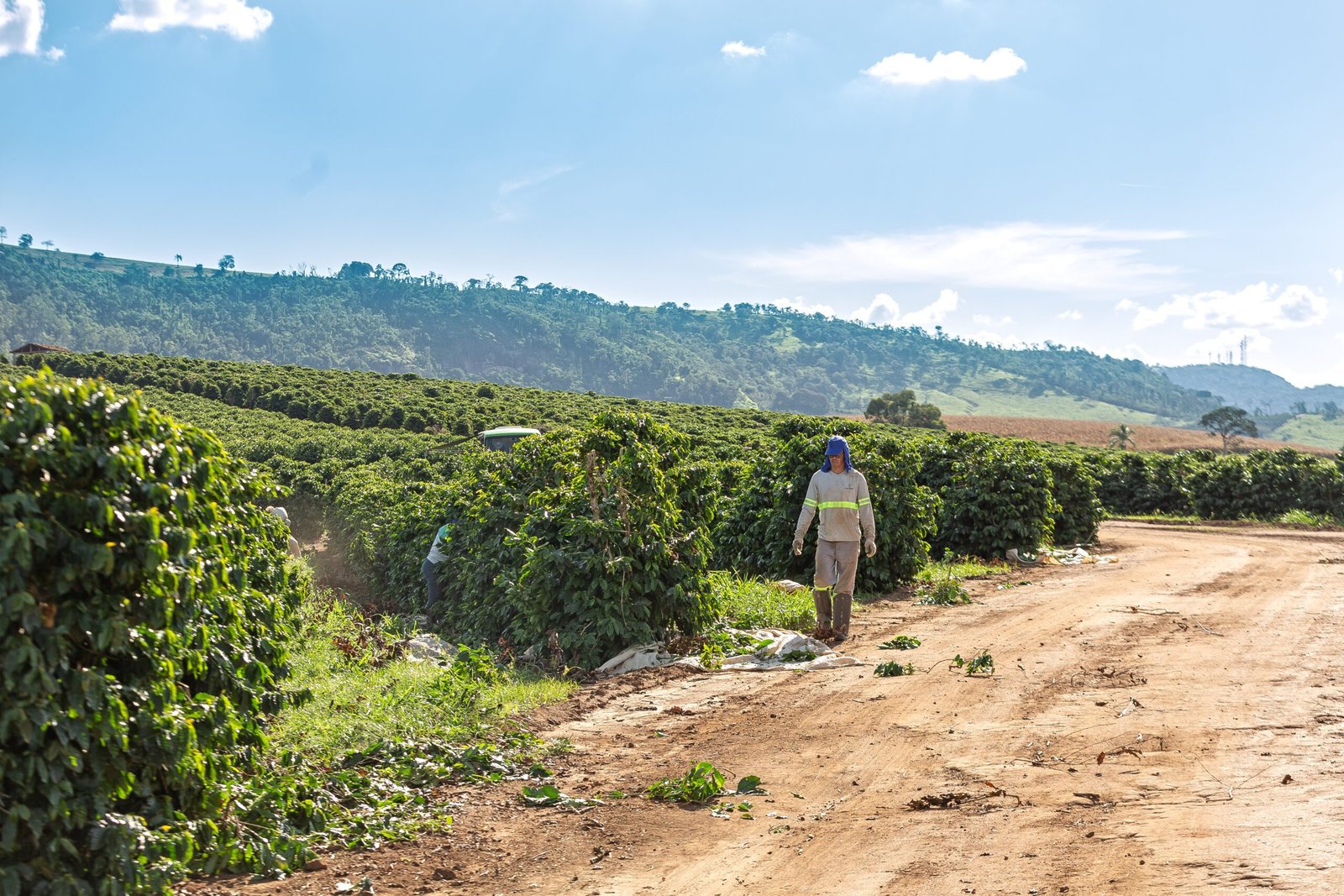
The most interesting example I know is Nossa Voz, this helpline in the coffee supply chain, a multi-stakeholder project created through the collaboration of many partners in a broad consultation process that involves the direct participation of company and worker representatives.
The real value of an effective mechanism lies in the intelligence it generates as a risk management tool, as a barometer of policy effectiveness, and as a direct channel with affected stakeholders. Far beyond compliance, it is a competitive advantage in a context where the social license to operate is increasingly decisive for long-term success.
Is your company treating its grievance mechanism as a compliance form or as a strategic tool?