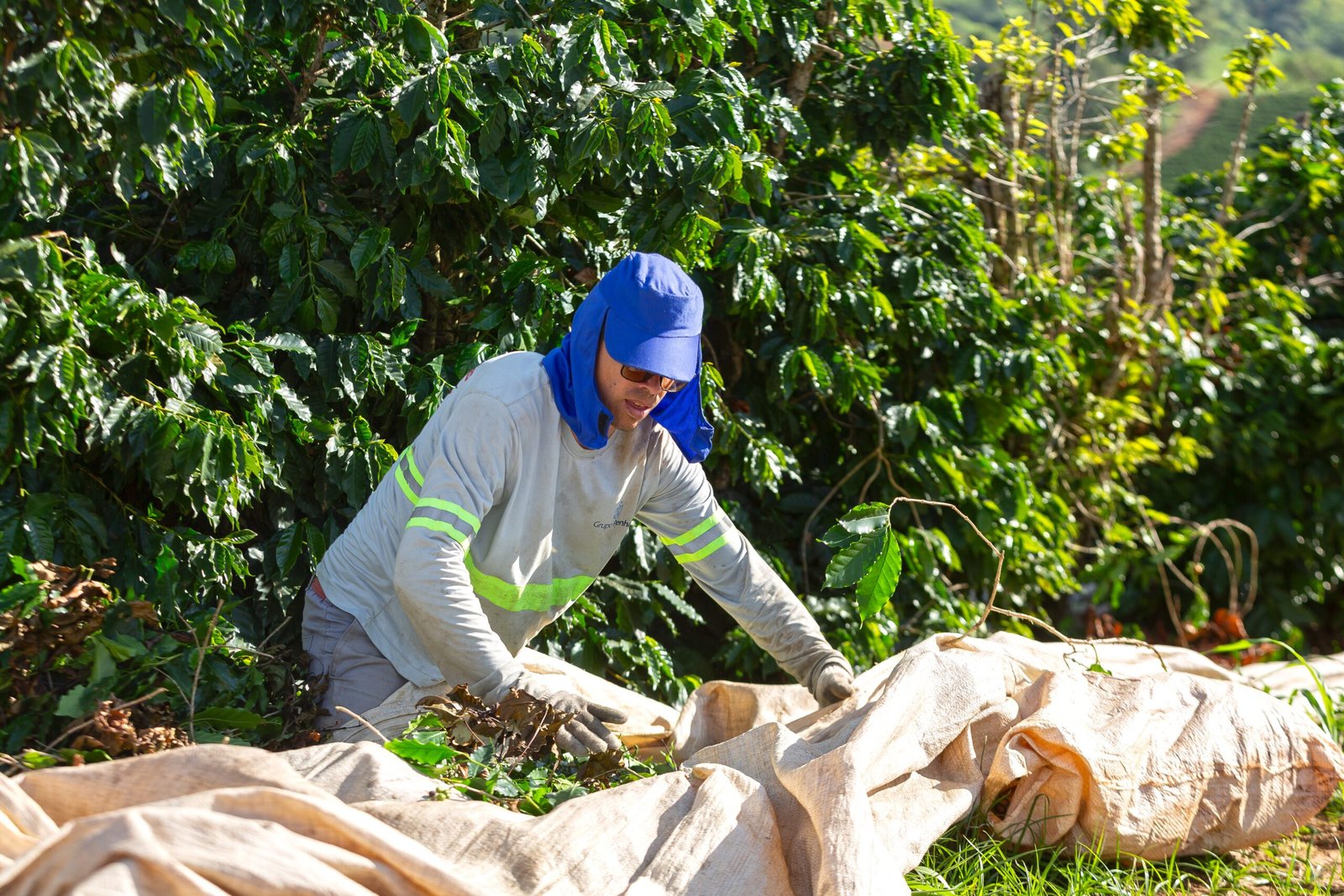

As coffee cherries begin to ripen in Brazilian plantations, it marks not only the start of another harvest, but also a critical period for monitoring and ensuring responsible labor practices and human rights in supply chains.
The coffee harvest, which mobilizes thousands of temporary workers across various producing regions of the country, brings with it both economic opportunities and potential risks of human rights violations that must be addressed with determination.
As a professional working in the field of sustainability and human rights within LRQA, I have observed that farms that adopt exemplary recruitment practices, transparent hiring, and decent working conditions not only avoid legal and reputational risks but also reap concrete benefits in productivity and quality.
Four critical points that deserve special attention currently:
1. Transparent recruitment processes;
2. Clear and formal employment contracts, with all labor guarantees provided for under Brazilian law;
3. Adequate accommodation conditions that fully comply with NR-31, including sanitary facilities, common areas, and dignified infrastructure;
4. Efficient grievance mechanisms such as Nossa Voz.
The excellence of Brazilian coffee production, recognized worldwide, must be matched by excellence in the treatment of the people who make this quality possible. Let us honor the hands that produce and harvest our coffee! Let’s move forward!